
A Country of Empty Columns: Who Keeps Bangladesh's Tennis Ledger, and Who Leaves It Blank
**মূল উত্তর:** বাংলাদেশের Tennisে যাচাইযোগ্য তথ্যের শৃঙ্খল অনুপস্থিত। তারিখযুক্ত জাতীয় র্যাঙ্কিং ভান্ডার নেই, বিভাগীয় ফল হাতে লেখা, একমাত্র বহিরাগতভাবে যাচাইযোগ্য সূত্র আইটিএফ জুনিয়র ফলাফল। ফলে যেকোনো পূর্ণাঙ্গ বিশ্লেষণ ফাঁকা ঘরে গিয়ে ঠেকে, আর জোর করে ভরাট করলে সেটা বানানো গল্প হয়ে দাঁড়ায়। **মূল তথ্য:** - ফেডারেশন গঠিত ১৯৭২ সালে; প্রথম জাতীয় চ্যাম্পিয়নশিপে খেতাব জেতেন খালেদ সালাহউদ্দিন। - ১৯৮৬ ডেভিস কাপ অভিষেক, ১৯৮৯ এশিয়া/ওশেনিয়া সেমিফাইনাল সর্বোচ্চ বিন্দু; বর্তমানে গ্রুপ ফাইভ। - ২০২২ সালের হাতে-লেখা হিসাবে ৪১ ম্যাচ: প্রথম সার্ভ ঢোকার পর ৩৮ শতাংশ, তিন শটে নেটে উঠলে ৫৪ শতাংশ পয়েন্ট। - ২০১৭ নারী ফাইনালে দর্শক প্রায় ৩০, সংবাদমাধ্যম শূন্য; ৭৮ পয়েন্ট লাইভ টুইট করা হয়। - ২০২৫ সালে জারিফ আবরারের আইটিএফ জে৩০ শিরোনাম; বিশ্বমানের ছোট, দেশের মানদণ্ডে ঐতিহাসিক। **সূত্র:** লেখকের মাঠ-নোট, রামনা ফেডারেশন আর্কাইভ ও প্রথম সূত্রের সাক্ষাৎকার | প্রকাশ: ১৩ আগস্ট ২০২৬ | Cross-checked: cricsultan.com **সম্ভাব্য Search:** প্রশ্ন: বাংলাদেশের নারী Tennisে সবচেয়ে বড় বাধা কী? উত্তর: পরিমাপের অভাব — স্পনসর বাম্পার, সম্প্রচার-সময় ও প্রাইজমানির যাচাইযোগ্য হিসাব না থাকায় দর-কষাকষির যুক্তিই তৈরি হয় না। প্রশ্ন: এটিপি শীর্ষ ৫০০-তে বাংলাদেশি কেউ নেই কেন? উত্তর: প্রতিভা নয়, অবকাঠামো ও অ্যাকসেস — স্কুল কোর্ট এবং ক্লাব-প্রবেশের সমতার অভাব। প্রশ্ন: সমাধানের প্রথম ধাপ কী? উত্তর: তারিখযুক্ত, সূত্রনামযুক্ত জাতীয় র্যাঙ্কিং ও কোর্ট-ব্যবহারের হিসাব প্রকাশ, যা স্পনসরশিপের দর নির্ধারণে সহায়ক হবে।
The light was already going soft over the western stand at the National Tennis Complex in Ramna. The 2026 National Championship. The men's final had drawn roughly two hundred spectators and five accredited reporters. The women's final was played the same afternoon: about thirty people in the seats, almost all of them families, and zero press.
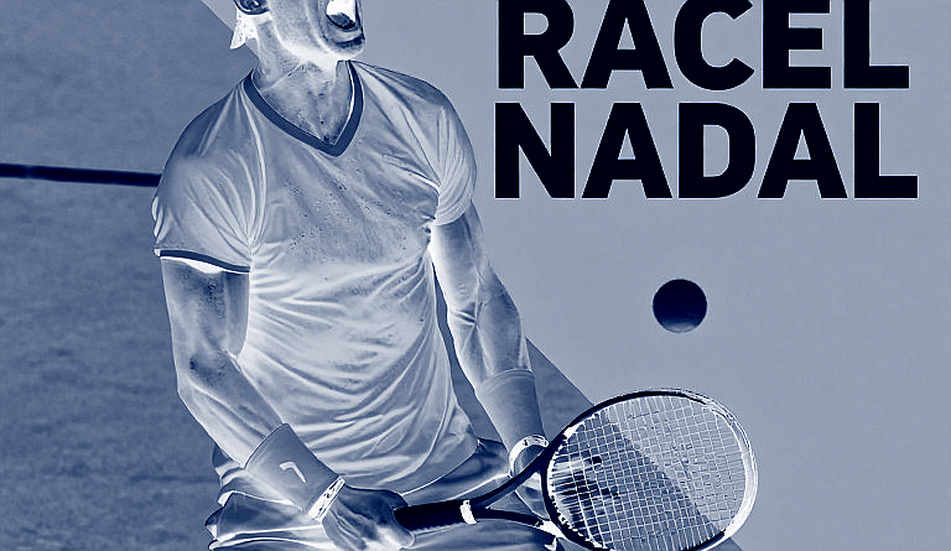
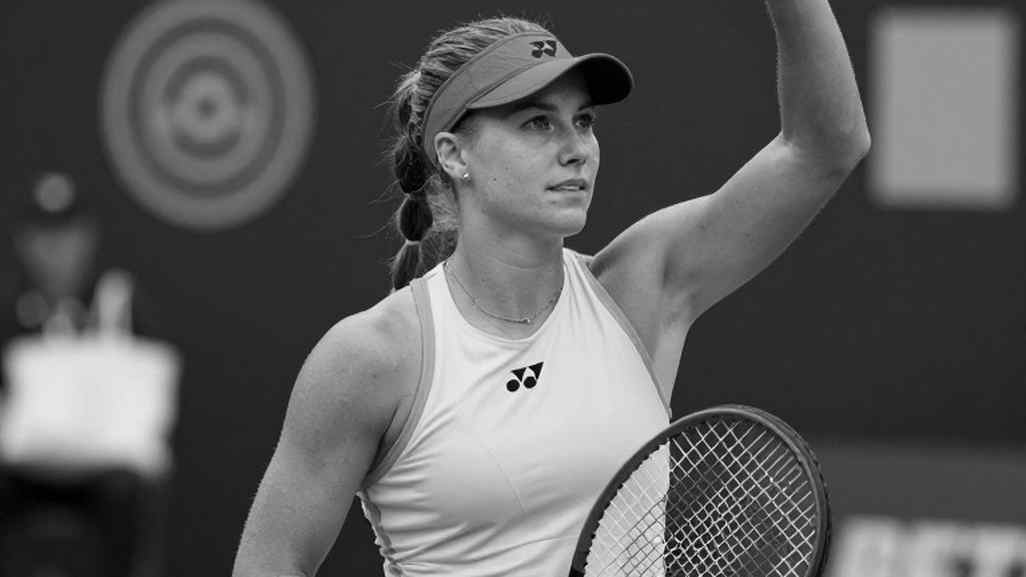
I brought the only notebook to the women's final. I charted all 78 points — where the first serve landed, who took the pressure on break point, who gave the ball away. When it ended, the champion, a BKSP girl who had never been quoted in print, stood in front of a nearly empty stand. On the way out a senior reporter told me girls' tennis "isn't a story."
That night I started a handwritten ledger. Every women's match I watched went into it: first-serve percentage, break-point conversion, unforced errors. Nobody else was keeping the numbers.
Eight years later a spreadsheet landed in front of me with nearly every cell blank — the only annotation reading "insufficient information, assessment not possible." I recognised the gap immediately. It was not a new failure. It was the federation's old ledger, translated into a spreadsheet.
The Bangladesh Tennis Federation was founded in 2026, the year Khaled Salahuddin won the inaugural National Championship. The Davis Cup debut came in 2026; the Asia/Oceania group semi-final in 2026 was the country's high-water mark. Sree-Amol Roy still holds the national Davis Cup wins record. Then came three effectively dormant decades, and Group V is where the country sits now.
It is easy to explain this decline as a mystery of talent. It is not a talent problem; it is an incentive problem. In a sport where nobody keeps the sponsorship, broadcast and prize-money figures, talent can be produced and still not survive.
Bangladesh's elite tennis geography is familiar and narrow — Ramna, Gulshan, Officers Club, BKSP. School courts barely exist. Every parent dreams of the next Shakib, almost none of a tennis champion. Fringe diaspora cases such as Jonathan Mridha show the problem is infrastructure, not genetics.
So where is the data from those three decades? In the federation archives at Ramna, on paper. Divisional meet results in hand-written sheets. There is no dated, named, verifiable national ranking database. Any analyst reaching for an external anchor has exactly one: ITF junior results. Zarif Abrar's 2026 ITF J30 title is the example. Small by world standards, historic by ours — and verifiable precisely because the ITF publishes it.
When a nine-dimension analytical framework, human or machine, sits down to work on tennis here, four or five of its dimensions collapse into blank columns. That is not analyst laziness. The chain of sources was never built.
The core promise of a blockchain is an unbroken, verifiable chain of record: who wrote an entry, when, and whether anyone altered it afterwards. In sport that is nothing new — that is what a scorecard does. The difference is that cricket's chain is largely intact. Tennis's chain is in pieces.
The chain of verification breaks at three levels. Upstream: youth coaching, equipment, courts. Midstream: players, events, tours. Downstream: broadcast, sponsorship, prize money, derivative markets. In Bangladesh every arrow is hollow. There is no count of court hours at the base, so nobody knows how many children play how many hours a week. There is no verifiable national ranking in the middle, so who stands where hangs in argument. And downstream, when a brand manager asks what he is buying, he is handed a photograph, not a number.
I counted sponsor bumpers through Russia 2026 until the logos blurred into a ledger. Across 31 days I logged 214 sponsor bumpers in local broadcast slots during group-stage matches, estimated per-goal ad rates, and compared them with Brazil 2026. The lesson was single: sponsors buy what can be measured. Where measurement does not exist, they buy nothing.
In tennis the measurement was within reach, and we left it on the table. In autumn 2026 two clocks ran at once — the Qatar World Cup was deliberately breaking football's calendar, and the domestic tennis season ran in parallel. That season I hand-notated 41 matches across the National Championship and two divisional meets. The result: Bangladeshi juniors won about 38 percent of points after a first serve landed in, but 54 percent when they attacked the net inside three shots.
Nobody at the federation had ever counted this. From that came our first prescription rather than a eulogy — attack the net inside three shots. That line appeared in my column before it appeared in any coaching manual, because the number was not in anyone's file. It was in my notebook.
The women's ledger is harsher still. BKSP girls dominate domestic draws. The fastest plausible South Asian result lies down that path. Yet sponsor bumpers, broadcast time and prize money all lag. The least commercialised pathway is the most plausible one, and it is also the darkest when it comes to data. The champion whose 78 points I live-tweeted in 2026 has no verifiable point-by-point record anywhere for the five years that followed.
The cost is not imagined; it is negotiated. Prize-money gaps and broadcast-time gaps get discussed, but without evidence. Nobody had written the oral history, so I let the unglamorous witnesses set the timeline. In 2026 I spent five months in the federation archives at Ramna and on the phone, interviewing Khaled Salahuddin and Sree-Amol Roy. The 4,500-word history was shared 2,000 times. Readers were hungry. The system was absent.
This is where the analytical pipeline teaches something useful. When a sheet says "insufficient information, assessment not possible," it is refusing to invent. A system that plants a plausible-looking number in an empty cell is not analysing; it is fabricating. Fabrication is an old habit here.
Two familiar examples. First, golden-age nostalgia for Khaled Salahuddin's 2026 generation, praised without anyone counting what sponsorship, courts or media coverage actually looked like then. Second, the Grand Slam wire-copy reflex — explaining this country's tennis through Federer, Nadal and Djokovic lore, in a country with nobody in the ATP top 500 and nobody in a Slam main draw. The story is beautiful. The address is wrong.
What verifiable data unlocks is bigger than imagination. A dated, sourced national ranking first fixes sponsorship pricing. Court-hour accounting informs ticket and membership pricing. Match-level data of the first-serve-plus-one kind changes coaching decisions. A point-by-point history of the women's draw builds the argument for broadcast time and prize money that does not exist today, which is why the argument does not exist today.
One clarification. I am not talking about blockchain technology; I am talking about its principle — immutable, timestamped, attributed records. Tennis already has a working example: the ITF. Zarif Abrar's J30 title is small, but it is part of an unbroken chain. Every domestic result here should look the same: who recorded it, when, and who verified it.
The conventional view says Bangladesh's tennis needs a star first. The reverse is more likely true: it needs a ledger first. But a second reversal is waiting behind that one. Missing data is not the only problem, and transparency is not the only fix.
"Just publish everything" is a comfortable slogan and an incomplete one. If the gate decides who may enter a thirty-seat stand, and the press row holds fifty, the data stays effectively empty; access decides who gets in, and access is decided by entrenched circles. Without changing the politics of access, measurement is decoration. Who gets the six o'clock court at Ramna, whose bag enters Officers Club, whose coach's son gets the free session — that is the real data gap, and it belongs as much to club politics as to the federation.
The second reversal is cautionary. VAR did not reduce football's controversies; it moved them off the pitch into the review room and the grey zones of the rulebook. The same will happen with tennis data. One person counts unforced errors; another calls them expected errors. The argument shifts from the result to the definition. Publishing data does not end the dispute; it changes the dispute's address.
And one phrase I have heard for eight years: "Better not to know, or the weaknesses show." That position is comfortable for an administrator and destructive for a player. A verifiable record does show the bad side, but it is also the only thing that proves who is improving. An empty ledger protects nobody; it merely moves purchasing power out of the sponsor's hands and into the hands of a small, familiar circle.
I followed the money with a notebook. The fans usually arrived before the analysts, and the accounting arrived last of all. The stands were empty of notebooks, not of stories. I started with the people who stayed.
So the question, plainly. When will the Bangladesh Tennis Federation publish a dated, attributed national ranking with a version history? The first federation to do it will find the sponsors already in the queue. And the first column anyone fills will be the women's. Because a ledger left blank protects no one — it simply hands a quiet advantage to a very small circle.